





When Connectivity Becomes a Clinical Risk
On January 14, 2026, a major cellular outage across the United States disrupted service for nearly 2 million mobile users, triggering emergency alerts in cities including Washington, D.C. and New York City. While many people experienced inconvenience, the outage revealed a deeper issue for healthcare and remote care services.
When cellular connectivity in remote patient monitoring (RPM) fails, the link between patients, clinicians, caregivers, and emergency responders can disappear. For RPM and Chronic Care Management (CCM) programs, this is not just a technical problem it is a continuity of care risk.
As wearable health monitoring and remote care adoption accelerates, resilient connectivity is no longer optional.
The Role of Cellular Connectivity in RPM & Wearable Health Technology
Remote patient monitoring relies on always-on data transmission to deliver value. This includes:
-
Real-time alerts and safety notifications
-
Location and mobility insights
-
Activity and behaviour monitoring
-
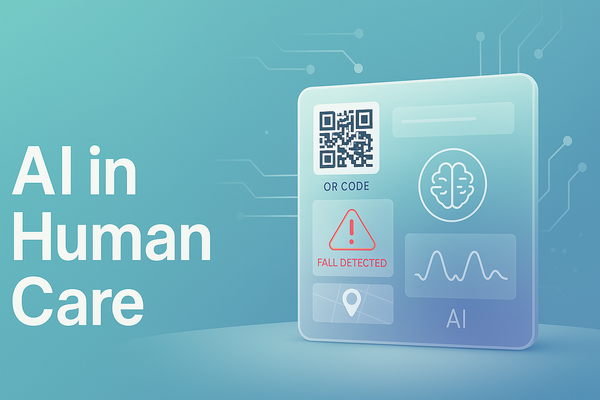
Emergency SOS and fall detection events
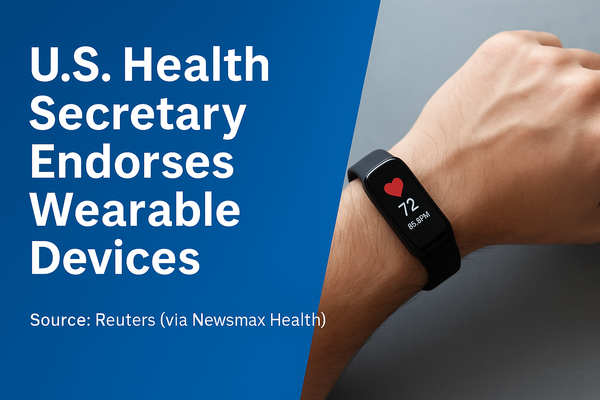
Unlike consumer fitness devices, RPM ready wearables must function independently of smartphones and home Wi-Fi particularly for elderly users, people with chronic conditions, or individuals receiving community-based care.
At Ezybandz, cellular connectivity is treated as core infrastructure, not an accessory feature.
Why Single-Carrier Connectivity Creates Risk in RPM & CCM
Many connected health devices rely on a single mobile carrier. While this simplifies deployment, it introduces a single point of failure.
When that network experiences:
-
Regional outages
-
Congestion during peak events
-
Infrastructure maintenance issues
Devices can lose connectivity precisely when they are needed most.
For RPM and CCM programs monitoring vulnerable populations, this can result in:
-
Missed alerts
-
Delayed interventions
-
Reduced clinical confidence
-
Increased operational risk
The 2026 outage highlighted why connectivity redundancy must be part of healthcare risk planning.
How Ezybandz Approaches Connectivity for RPM-Ready Wearables
Ezybandz is built on a resilient connectivity model designed for real-world healthcare and safety use cases.
Multi-Carrier LTE-M Connectivity
Ezybandz wearables leverage multi-carrier LTE-M connectivity, enabling devices to operate across multiple cellular networks. If one carrier is unavailable, coverage continuity is preserved wherever alternative networks exist.
SoftSIM Technology
Built-in SoftSIM capability allows Ezybandz devices to connect without physical SIM swaps or smartphone pairing supporting scalable deployment for RPM, CCM, and community care programs.
No Smartphone or Wi-Fi Dependency
Ezybandz wearables operate independently, making them suitable for users who:
-
Do not own smartphones
-
Are not comfortable managing apps
-
Live in environments without reliable Wi-Fi
This autonomy is critical for aged care, disability support, and long-term condition monitoring.
Designed for Healthcare & Safety, Not Consumer Use
Ezybandz devices integrate GPS, fall detection, SOS alerts, and digital medical profiles into a single wearable aligning with emerging RPM and CCM requirements where reliability is as important as functionality.
Why Connectivity Reliability Matters for RPM & CCM Outcomes
When RPM platforms are supported by resilient cellular connectivity, the benefits extend across the care ecosystem.
Improved Clinical Confidence
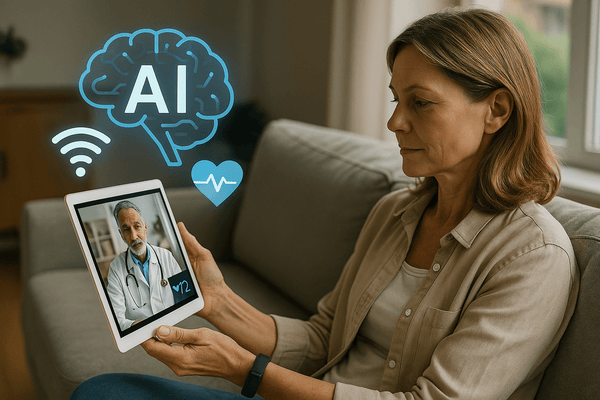
Consistent data flow allows clinicians to rely on remote insights when making care decisions.
Reduced Missed Events
Multi-carrier redundancy lowers the risk of missed alerts due to network disruptions.
Better Patient & Caregiver Trust
Wearables that “just work” improve adoption, engagement, and long-term use.
Operational Stability for Providers
Fewer connectivity issues mean reduced support overhead and more predictable program performance.
RPM & CCM Are Scaling - Connectivity Strategy Must Keep Pace
Remote monitoring and chronic care management programs are expanding rapidly across home health, community care, and virtual care models. As adoption increases, connectivity resilience becomes a differentiator between pilot programs and scalable solutions.
Healthcare organisations evaluating RPM technology should ask:
-
What happens during a carrier outage?
-
Is the device dependent on consumer infrastructure?
-
Does the connectivity model scale across regions?
Without reliable connectivity, even the most advanced monitoring technology falls short.
Building the Next Generation of Connected Care
Ezybandz is designed to support independent living, continuous monitoring, and rapid response through intelligent wearable technology.
By prioritising multi-carrier LTE-M connectivity, Ezybandz enables RPM, CCM, and safety-focused programs to operate with confidence even during network disruptions.
As connected care becomes standard, resilience will define quality.